The Hot Potato of Risk: A Field Guide to Construction Procurement Routes
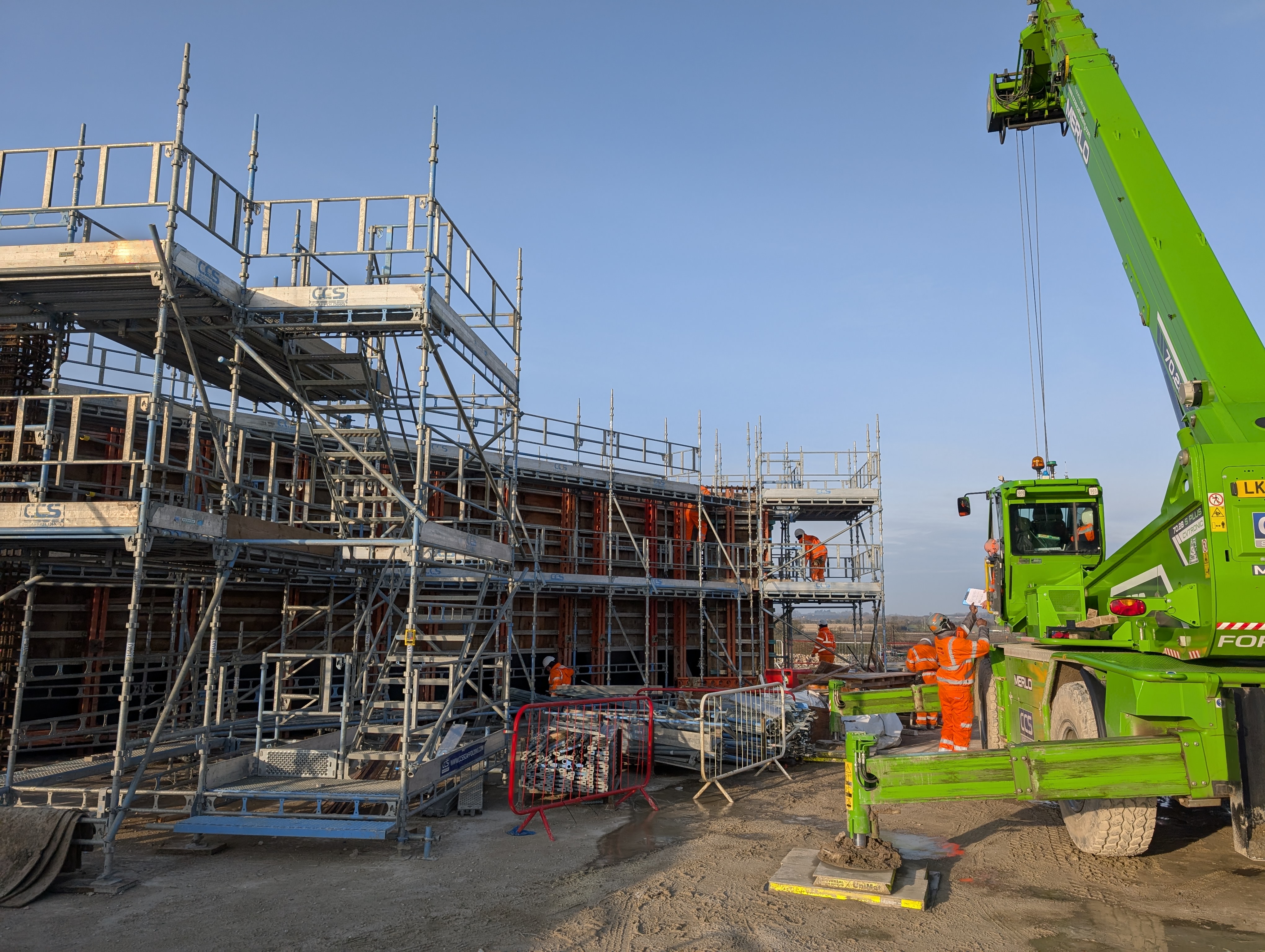
At its core, the entire global construction industry is just a multi-billion-pound game of "Hot Potato."
The potato, in this case, is Risk.
What happens if the soil is essentially radioactive soup? What happens if the price of structural steel triples while the ship is in transit? What happens when the architect's beautiful, sweeping glass canopy turns out to be structurally impossible to hold up in high winds?
Somebody has to pay for it.
To determine who gets left holding the potato when the music stops, the industry invented different procurement routes. Universities will teach you that these are strategic mechanisms for aligning project goals. Having spent years in the mud managing these projects, I can assure you they are actually just different methodologies for passing the buck.
Here is the brutal, day-to-day reality of the three main ways we buy infrastructure, translated for the people who actually have to build it.
1. Traditional (Construct Only): The "Not My Problem" Paradigm
The Concept: The Client hires a Design Consultancy to design the project down to the last nut and bolt. Once the drawings are 100% complete, they hand them to a Main Contractor and say, "Build exactly this."
The Site Reality: Traditional procurement is the holy grail for construction litigation lawyers. It creates a massive, impenetrable wall between the people who draw the building and the people who build it.
As a Site Engineer on a Traditional contract, your best friend is the phrase, "We built what was on the drawing." If the designer details a reinforced concrete pier with so much steel in it that you couldn’t pour water through it, let alone aggregate, that is not your problem. You raise an RFI, stop work, and wait for the Client to pay you a massive variation fee to fix the designer’s mistake.
It provides great cost certainty for the Client, right up until the moment an excavator hits an unmapped gas main, at which point the budget detonates, and the Contractor and Designer spend the next 18 months pointing fingers at each other.
2. Design & Build (D&B): The Art of "Value Engineering"
The Concept: The Client wants a single point of responsibility. They give a Main Contractor a basic "Employer’s Requirements" document and say, "You design it, and you build it. Just give us the final product."
The Site Reality: This is the most common route for modern commercial and infrastructure projects, and it introduces two terrifying concepts to the site team.
The first is "Novation." This is a polite legal term for when the Client forces the original Design Consultancy to switch sides and work for the Contractor. It is essentially corporate kidnapping. You now have designers working for the builders, and the resentment is often palpable.
The second is "Value Engineering." Because the Contractor holds the risk and a lump-sum budget, they are highly motivated to make the design as cheap as legally possible. The Client asks for bespoke Italian marble cladding; the Contractor "Value Engineers" it into grey corrugated steel and calls it an "industrial aesthetic."
For the site team, D&B is chaos. You are often physically building the foundations while the roof is still being designed. You are pouring concrete based on "Preliminary" drawings, praying the load paths don't change by next Tuesday.
3. Turnkey / EPC (Engineering, Procurement, Construction): The Luxury Package
The Concept: The Client acts like they are buying a new car. They hand over a massive bag of money, walk away, and come back three years later expecting to put the key in the door and turn the lights on.
The Site Reality: Used heavily in massive industrial infrastructure (power plants, offshore wind, major rail hubs), Turnkey places 100% of the risk on the Contractor.
Because the Contractor is absorbing all the risk - inflation, weather, ground conditions, acts of God - they charge an astronomical premium. The bid price will often include a 30% or 40% contingency just for the sheer terror of what might go wrong.
If you are executing a Turnkey project, the commercial pressure is suffocating. If a global supply chain crisis hits, the Client simply sips their tea and points to the contract. The Contractor bleeds profit every single day the project is delayed. There are no Early Warning Notices that will save you here; you either deliver the keys on Friday, or you go bankrupt on Monday.
The Bottom Line
When you are standing in a flooded trench at 2:00 AM, a cubic meter of concrete still weighs 2.4 tonnes regardless of the procurement route. The physical engineering does not change.
But knowing how the project was bought is the only way to survive the commercial crossfire. It dictates whether a collapsed trench is a minor annoyance you fix before breakfast, or a million-pound compensation event that halts the project for a month. Understand the potato, or get burned.
Mosbah