Coconuts, Lemons, and the Gulf Dream: A Dispatch from Mumbai
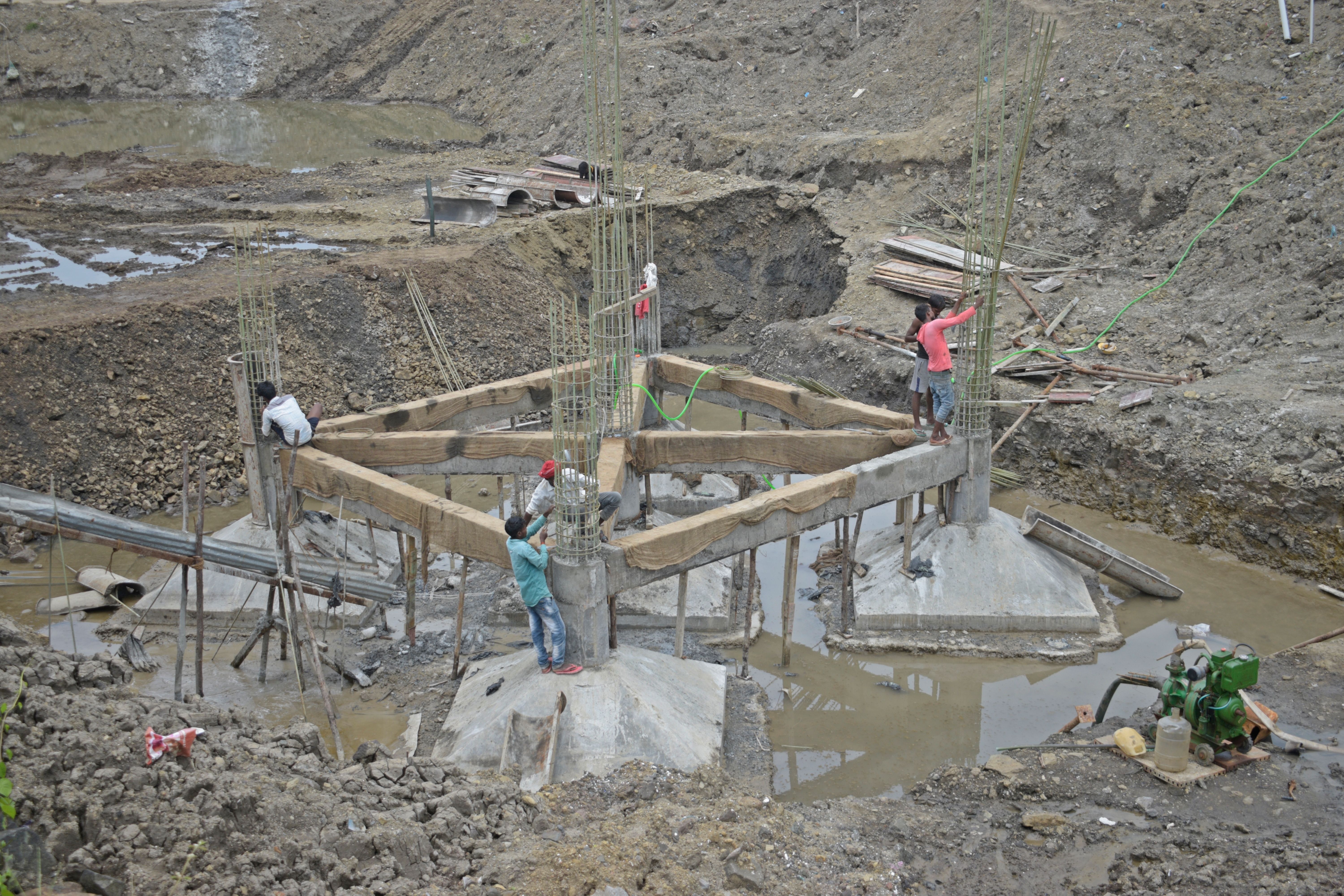
Mosbah here. I spend a lot of time on this blog complaining about the British infrastructure industry. I complain about the freezing rain in Bodmin and the bureaucratic nightmare of Tier 1 contractors. But a few days ago, I had a Zoom call with Arjun, a 29-year-old site engineer working on a massive metro expansion in Mumbai. I spent ten minutes moaning about my day rate and the mud. Arjun just smiled a very tired smile and offered to write this week’s guest post. Because his reality is a completely different universe. Over to Arjun.
Hello to the readers of Leesahga. Mosbah tells me you all enjoy reading about the suffering of engineers. In India, suffering is not a complaint; it is just the standard terms and conditions of employment.
Mosbah writes with a lot of anger about his 14-hour shifts and his Works Manager. Reading his posts, I am surprised by how informal your sites are. You swear at each other. You get two days off a week. You get paid by the hour or the day. Let me explain what it means to be a civil engineer in a country of 1.5 billion people, where a title is everything, but the reality is dust.
In the UK, it seems you choose civil engineering. In India, it is often chosen for you.
When I was 17, my father sold a piece of ancestral agricultural land in our home village just to pay the admission fees for my engineering college. The equation presented to me was simple and non-negotiable: become a civil engineer, secure a prestigious job, elevate the family name, and eventually arrange a good marriage. It is the great Indian middle-class dream.
Because millions of families have this exact same dream, the market is completely flooded. Every year, lakhs (hundreds of thousands) of us graduate with B.Tech degrees.
The result of this massive oversupply?
As a site engineer with five years of experience, managing a critical section of a multi-billion-rupee metro viaduct, my salary is ₹35,000 a month. That is roughly £320. Not per week. Per month.
Half of that goes instantly to paying off the family EMI (loans). We do not get overtime. Our shift is officially 8:30 AM to 6:30 PM, but if the concrete transit mixers are delayed by traffic, you stay until midnight, sleep in the site office chair for four hours, and wake up to do it again. We work six days a week, and Sunday is "officially" a holiday, which just means you only have to come in for half the day to clear the paperwork.
The most fascinating part of Indian infrastructure is the collision between ancient tradition and modern technology.
When a brand new, imported piling rig arrives on site, it does not go straight to work. First, the local Pandit (priest) is called. We perform a Bhoomi Pooja - a ritual worshipping the earth before we drill into it, to seek forgiveness and ask for structural stability.
Then, we place four green lemons under the steel tracks of the 50-tonne rig. The operator drives forward, crushing the lemons to ward off the Buri Nazar (the evil eye). A fresh coconut is smashed against the counterweight of the machine to appease the gods. Only after the coconut water drips down the yellow paint can the engine be started.
To a Western engineer, this might sound deeply superstitious. But out here, where safety standards are heavily compromised and the margins for error are terrifyingly thin, faith is sometimes the only PPE the workers actually trust.
Mosbah talks about the brutal banter and calling his boss a Chihuahua. If I spoke to my Project Head like that, my career would end before the sentence was finished.
The hierarchy here is absolute and deeply ingrained. Everyone above you is "Sir." If the Project Head enters the site cabin, which is the only cabin with an AC unit, you stand up immediately. You do not argue. If he tells you to complete a 10-day rebar schedule in 3 days, you look at the floor, you say, "Yes, Sir" and then you go outside and silently panic. There is no "comradeship of the trench" between management and the engineers. The pressure flows purely downward.
So why do I stay? Why do any of us endure the choking dust, the 40°C heat, and the crushing hierarchy?
One: We have no option; and two: we are all playing a longer game. Every site engineer in India has the exact same exit strategy: The Gulf Dream.
You survive five or six years in the Mumbai dust. You build up a CV packed with heavy infrastructure experience. And then, you apply for a contract in Dubai, Doha, or Saudi Arabia. That is the promised land. You go to the Middle East, you endure the isolation there, but you earn in Dirhams or Riyals. You send the money back home, you clear your father's debts, you pay for your sister's wedding, and maybe - just maybe - you come back in ten years to buy a flat in a gated society where the power doesn't cut out and the water is clean.
The ultimate goal for an Indian engineer isn't to build bridges forever. It is to eventually become the man who points at the bridge from the backseat of an air-conditioned car.
Until that visa gets approved, I am here in the dust.
But the real heroes, the ones who will never get a visa to Dubai, are the migrant workers. They travel a thousand miles from impoverished villages in Bihar to earn maybe ₹600 (£5) a day. They live in temporary tin sheds next to the highway. They work suspended 20 metres in the air, tying steel bars in blistering heat, often wearing only rubber chappals (sandals).
But it is not just the men. This is the part that will truly break a Western engineer.
Look down from the viaduct, and you will see their wives. Women in faded, dust-caked sarees, working barefoot in the rubble. They balance steel pans on their heads, carrying loads of wet concrete or stacked bricks weighing over 30 kilos, walking up flights of temporary bamboo stairs. They do the exact same brutal physical grind, inhaling the same diesel fumes, but for half the wage of the men.
And because there is no childcare, the children are in the trench with them. Toddlers sit in the choking fly-ash dust just feet away from reversing excavators, playing with off-cuts of rusted tying wire. The older kids, seven or eight years old, are either breaking stones, begging the site staff for biscuits, or waiting for the security guard to turn his back so they can steal a few kilos of scrap steel to sell to a scrap dealer just to buy their next meal.
When you see a man working that hard to send a few rupees home, or a mother carrying 30 kilos of liquid rock on her head while her five-year-old scavenges in the mud below to survive... you quickly lose the right to complain about your own stress.
At 9:30 PM, the traffic on the Western Express Highway is a continuous, deafening gridlock of horns. My shirt is stiff with dried sweat. I leave the site gate, but I don't go to a car. I walk to the roadside stall under the streetlamp.
I nod to the vendor.
"One Cutting Chai, Bhaiya. And two Vada Pavs."
It is a different world, Mosbah. But the exhaustion feels exactly the same.
Arjun
(Guest Writer for Leesahga Ltd)